Menu

Call This Friday to Get $50 OFF

WE NOT ONLY PUMP YOUR TANK - WE CLEAN IT!

Up to 36 Months Financing Available

Call This Friday to Get $50 OFF

image
05, Jun 2026

How Water Usage Affects Long-Term Septic Performance

A septic system is designed to handle a steady amount of wastewater from a home, but it can become strained when water use is too high or poorly managed. Every shower, laundry cycle, dishwasher load, toilet flush, and running faucet sends water into the septic tank. When that water enters the system too quickly or in large volumes, it can disrupt the natural treatment process and shorten the life of the drain field.

For homeowners who rely on a septic system, understanding water usage is an important part of septic maintenance. Septic Blue helps property owners protect their systems with reliable septic service, including septic tank pumping, septic cleaning, inspections, and long-term maintenance support.

Why Water Flow Matters in a Septic System

A septic tank works by separating wastewater into layers. Solids settle at the bottom as sludge, oils and grease rise to the top as scum, and liquid wastewater flows out into the drain field for further treatment. This process takes time.

When too much water enters the tank at once, wastewater can move through the system before solids have a chance to settle properly. This can allow solids, grease, or untreated wastewater to leave the tank and enter the drain field. Over time, that can lead to clogs, slow drainage, sewage backups, and expensive repairs.

A healthy septic system depends on balance. The system needs enough water to function, but not so much that it becomes overloaded.

Laundry, Showers, and Daily Habits Add Up

Many homeowners do not realize how much water they use in a single day. Long showers, multiple loads of laundry, running toilets, dripping faucets, and frequent dishwasher cycles can all increase the amount of wastewater entering the septic tank.

Laundry is one of the biggest sources of sudden water flow. Washing several loads back-to-back can send a large volume of water into the system in a short time. It is better to spread laundry throughout the week instead of doing everything in one day.

The same idea applies to showers and baths. A home with multiple people showering one after another may place extra stress on the septic system, especially if the system is older or the tank is due for septic tank pumping in Peachtree Corners.

How Excess Water Damages the Drain Field

The drain field is one of the most important parts of a septic system. It receives liquid wastewater from the septic tank and allows it to filter through the soil. When too much water reaches the drain field, the soil can become saturated.

Saturated soil cannot absorb or treat wastewater properly. This may cause wet spots in the yard, foul odors, slow drains, or sewage surfacing near the drain field. Once a drain field becomes damaged, repairs can be costly and disruptive.

That is why septic cleaning and regular septic maintenance are so important. A professional septic company can inspect the system, check for signs of overload, and recommend the right service schedule.

Water-Saving Habits That Help Your Septic System

Small changes in daily water use can make a big difference. Homeowners can protect their septic system by:

  • Fixing leaking toilets and faucets quickly
  • Installing water-efficient fixtures
  • Spreading laundry loads throughout the week
  • Avoiding long showers
  • Running full dishwasher loads instead of partial ones
  • Keeping roof drains and sump pumps away from the septic system

These habits reduce pressure on the tank and drain field, helping the system work more efficiently for a longer period of time.

The Role of Professional Septic Maintenance

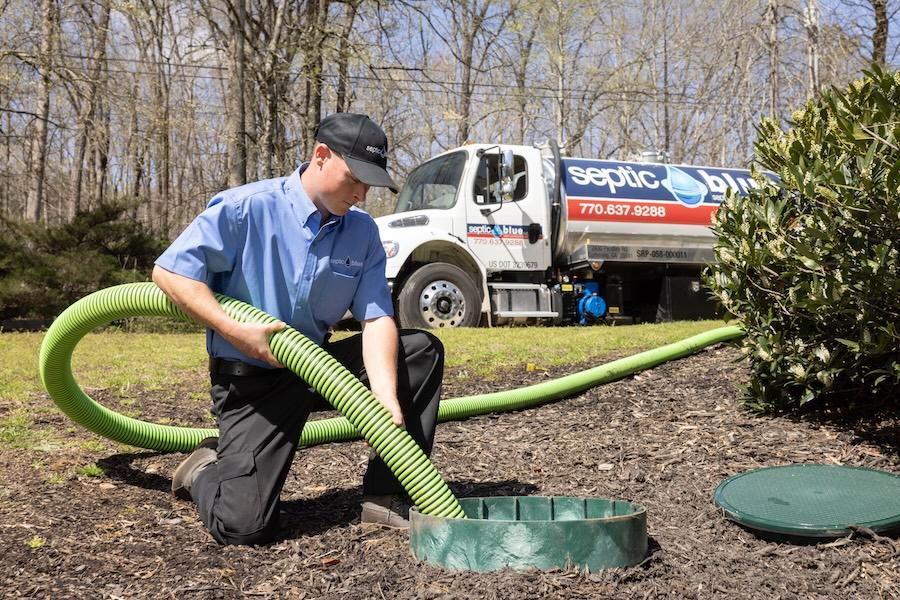
Routine septic tank pumping removes buildup before it creates a larger problem. Septic Blue can help homeowners determine how often pumping is needed based on household size, tank size, water usage, and system condition.

A professional septic company can also identify warning signs early. Slow drains, gurgling pipes, sewage odors, unusually green grass near the drain field, or standing water in the yard may indicate that the system is struggling.

Protect Your Septic System by Managing Water Wisely

Long-term septic performance depends on how the system is used every day. Too much water, especially in short periods, can overwhelm the tank, damage the drain field, and lead to costly repairs. By using water wisely and scheduling regular septic maintenance, homeowners can help their systems last longer and operate more reliably.

Septic Blue provides dependable septic tank pumping, septic cleaning, septic service, and maintenance solutions for homeowners who want to protect their investment. With the right daily habits and professional care, your septic system can continue working efficiently for years to come.

Septic Tips from Septic Experts

Jun 05, 2026

How Water Usage Affects Long-Term Septic Performance

A septic system is designed to handle a steady amount of wastewater from a home, but it can become strained when water use is too high or poorly managed. Every…

May 31, 2026

How Proper Wastewater Treatment Starts with Septic Maintenance

When a home depends on a septic system, wastewater treatment begins right on the property. Every sink, shower, toilet, washing machine, and dishwasher sends wastewater into the system, where it…

May 14, 2026

Best Septic Cleaning Practices for Rural Homes

For many rural homeowners, a septic system is an essential part of daily life. Unlike homes connected to city sewer systems, rural properties rely entirely on properly functioning septic systems…