Menu
image
14, May 2026

Best Septic Cleaning Practices for Rural Homes

For many rural homeowners, a septic system is an essential part of daily life. Unlike homes connected to city sewer systems, rural properties rely entirely on properly functioning septic systems to handle wastewater safely and efficiently. Without regular care, septic problems can quickly become expensive and disruptive.

At Septic Blue, homeowners trust professional septic service providers for reliable septic tank pumping, septic cleaning, and long-term septic maintenance that helps rural systems stay in excellent condition year-round.

Why Septic Cleaning Is Important for Rural Homes

Rural septic systems often handle larger properties, varying soil conditions, and heavy water usage. Over time, sludge and waste naturally accumulate inside the septic tank. Without proper septic cleaning, the system can become overloaded and fail.

  • Prevent sewage backups
  • Improve drainage performance
  • Extend septic system lifespan
  • Reduce unpleasant odors
  • Lower the risk of costly repairs

Professional septic service in Fairburn, GA ensures that the system continues operating safely while protecting the property and surrounding environment.

Schedule Regular Septic Tank Pumping

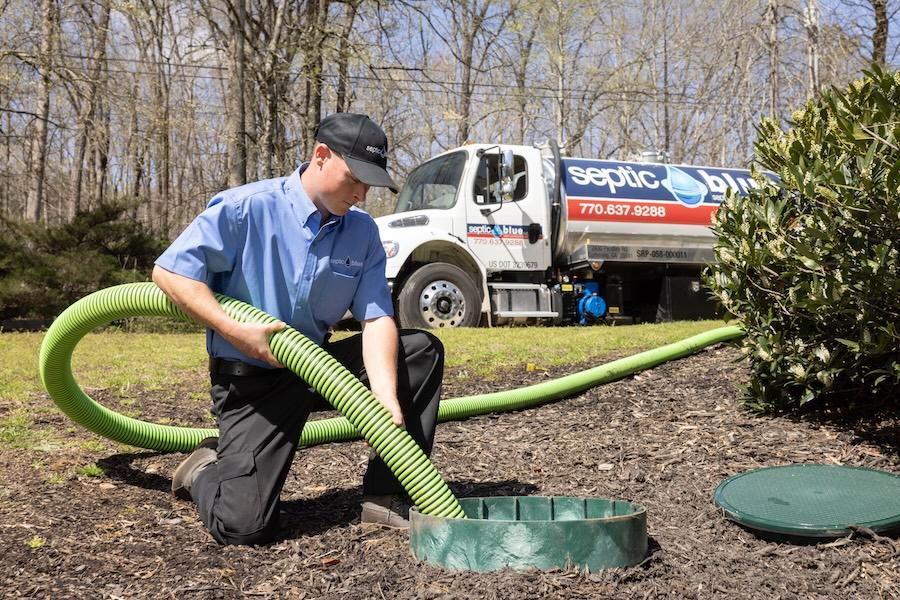
One of the most important septic maintenance practices is scheduling regular septic tank pumping. Pumping removes accumulated solids before they overflow into the drain field and create major issues.

The ideal pumping schedule depends on factors such as:

  • Household size
  • Water usage
  • Septic tank size
  • Age of the system

Most rural homeowners benefit from septic tank pumping every few years, but a professional septic company can recommend the best schedule for each property.

Ignoring septic tank pumping for too long can result in:

  • Drain field damage
  • Slow drains throughout the home
  • Standing water in the yard
  • Strong sewage odors
  • Expensive system replacements

Use Water Efficiently

Excessive water use can overload a septic system and reduce its efficiency. Rural homeowners should spread out water usage whenever possible to avoid overwhelming the tank and drain field.

Helpful water-saving habits include:

  • Fixing leaking faucets promptly
  • Using high-efficiency appliances
  • Spacing out laundry loads
  • Taking shorter showers
  • Avoiding excessive water use during storms

Good water management supports septic cleaning efforts and reduces stress on the system.

Be Careful About What Enters the System

A septic system is designed to handle wastewater and biodegradable materials, but many common household products can damage the system or create blockages.

Avoid flushing or draining:

  • Grease and cooking oils
  • Baby wipes and paper towels
  • Feminine hygiene products
  • Harsh chemicals
  • Paint or solvents
  • Excess food waste

These materials can interfere with septic cleaning processes and increase the need for emergency septic service.

Protect the Drain Field

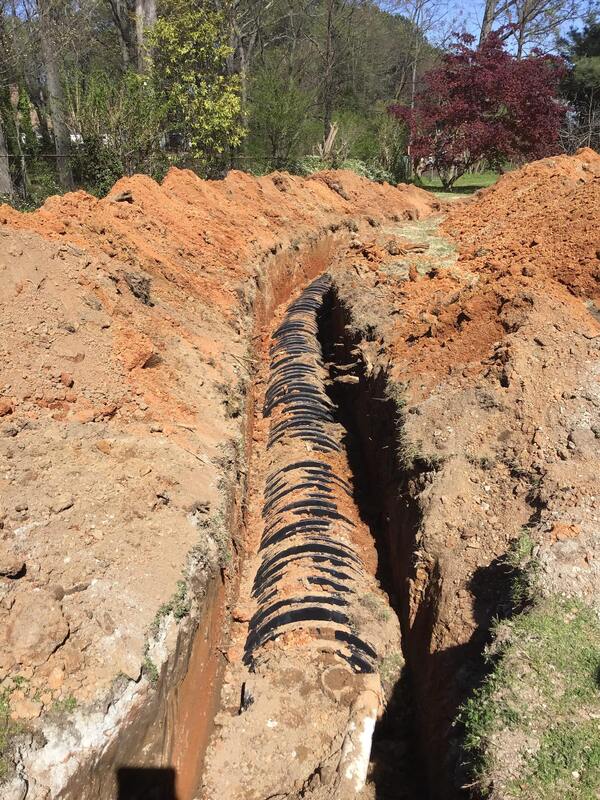
The drain field is one of the most important parts of a septic system. It filters wastewater back into the soil, and damage to this area can lead to serious system failure.

Rural homeowners should:

  • Avoid parking vehicles on the drain field
  • Keep livestock away from the area
  • Prevent heavy equipment traffic nearby
  • Redirect excess rainwater away from the field
  • Avoid planting large trees near septic lines

A trusted septic company can inspect the drain field regularly to ensure it remains healthy and functional.

Schedule Routine Septic Maintenance Inspections

Routine septic maintenance helps identify small issues before they turn into major repairs. Professional inspections can detect early warning signs that homeowners may overlook.

Regular inspections help identify:

  • Cracked tanks
  • Pipe leaks
  • Drain field saturation
  • Excess sludge buildup
  • Ventilation issues

Combining septic maintenance with scheduled septic tank pumping and septic cleaning provides the best protection for rural septic systems.

Watch for Signs of Septic Problems

Even well-maintained systems can develop problems over time. Rural homeowners should watch for warning signs that indicate septic service may be needed.

Common signs include:

  • Slow drains or gurgling pipes
  • Sewage odors near the home
  • Wet spots in the yard
  • Frequent toilet backups
  • Unusually green grass over the drain field

Calling a professional septic company at the first sign of trouble can help prevent severe damage and expensive repairs.

Proper Septic Cleaning Keeps Rural Systems Running Smoothly

Maintaining a septic system in a rural home requires regular attention, smart household habits, and professional care. Routine septic tank pumping, thorough septic cleaning, and ongoing septic maintenance all play a critical role in keeping the system functioning efficiently.

With dependable support from Septic Blue, homeowners can trust an experienced septic company to provide reliable septic service and help protect their property.

Septic Tips from Septic Experts

May 14, 2026

Best Septic Cleaning Practices for Rural Homes

For many rural homeowners, a septic system is an essential part of daily life. Unlike homes connected to city sewer systems, rural properties rely entirely on properly functioning septic systems…

May 08, 2026

How to Avoid Expensive Septic Repairs with Preventive Care

A septic system is one of the most important parts of a home, but it is also one of the easiest to overlook. Many homeowners do not think about their…

Apr 30, 2026

Just Moved In? Here’s How to Take Care of Your Septic Tank

Moving into a new home comes with a long checklist—unpacking boxes, setting up utilities, and learning the ins and outs of your property. If your new home uses a septic…